Clear, Side-by-Side Comparisons
The site breaks down diamond and moissanite differences in a simple, easy-to-understand format, covering sparkle, durability, price, and long-term value.
Unbiased Buying Guidance
Readers get balanced, objective insights without pressure, helping them choose the gemstone that best fits their budget, lifestyle, and personal values.
Practical Advice for Real-Life Decisions
From engagement rings to everyday jewelry, the site provides actionable tips, care advice, and buying considerations to support confident, informed choices.
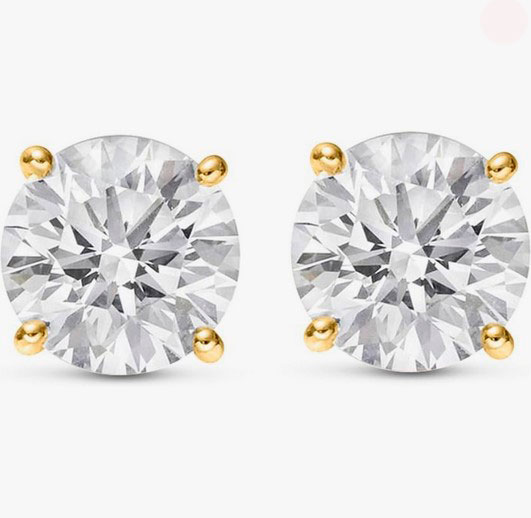
Diamond IGI Certified LAB GROWN Diamond Stud Earrings for women & girls 4 Prong Push Back (E/F Color VS2/SI1 CLARITY)
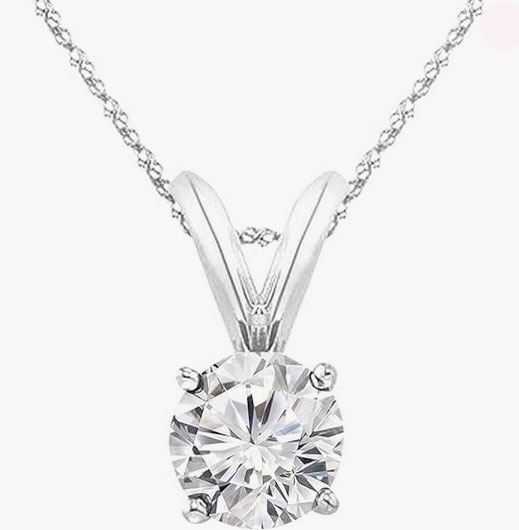
Diamond 1-10 Carat Lab Grown Diamond Stud Pendant Necklace, Round Cut Solitaire, 4-Prong Setting, Jewelry for women & girls (E-F, VS)
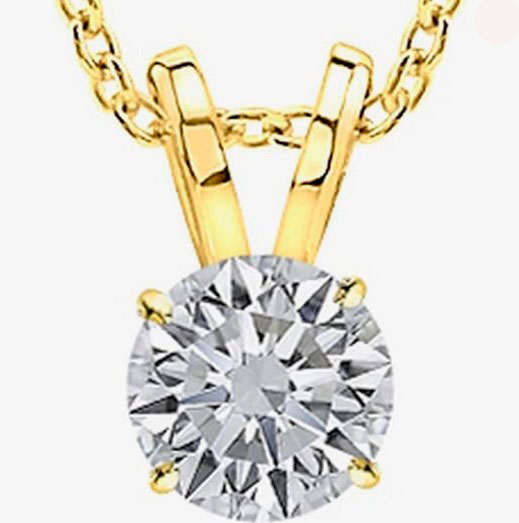
Diamond 4 Prong Set Lab Grown Diamond Solitaire Stud Pendant Necklace Jewelry for women & girls (E-F, VS1-VS2)
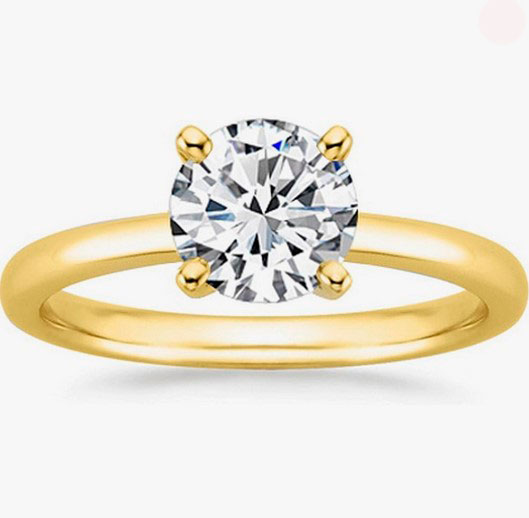
Diamond IGI Certified Lab Grown Diamond Engagement Ring, Round Cut Solitaire, 4-Prong Setting, E–F Color VS2–SI1 Clarity
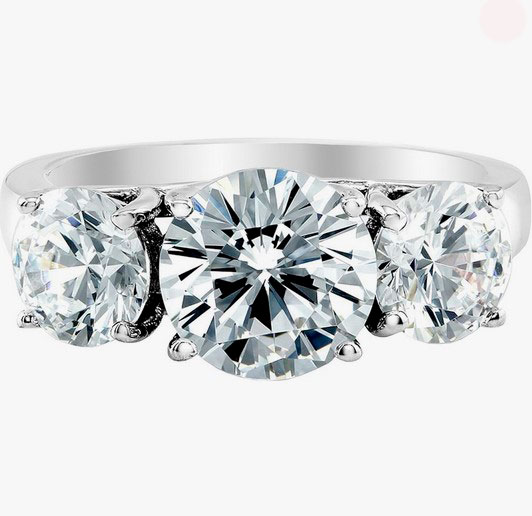
Diamond IGI Certified LAB Grown 3 Stone Round Cut Diamond Engagement Ring Wedding Ring for women & girls (D-E Color, VS1-VS2 Clarity)
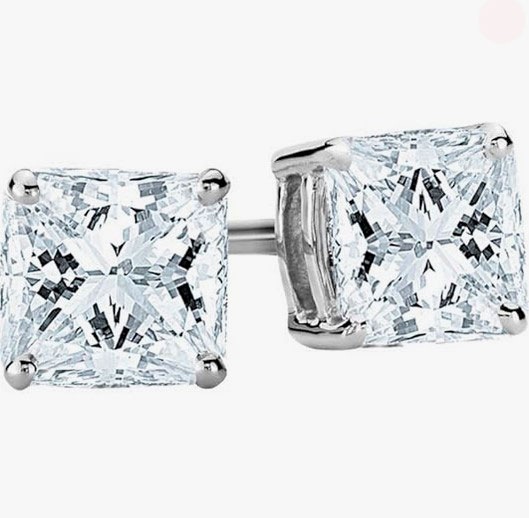
Diamond IGI Certified LAB-GROWN Princess Cut Diamond Stud Earrings for women & girls 4 Prong Screw Back (E-F Color, VS2-SI1 Clarity)
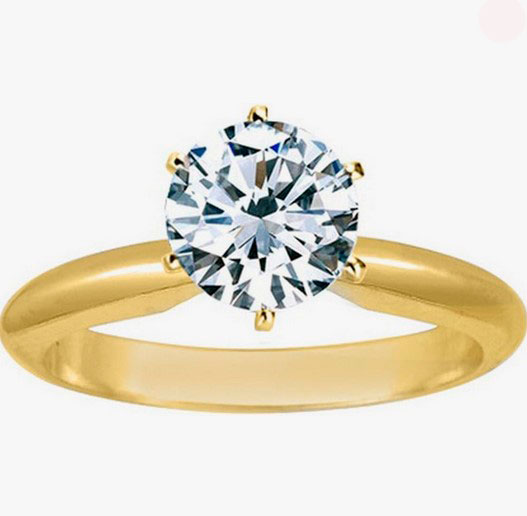
Diamond IGI CERTIFIED Lab Grown Diamond 6 Prong Solitaire Round Cut Engagement Ring (E-F Color VS2-SI1 Clarity)
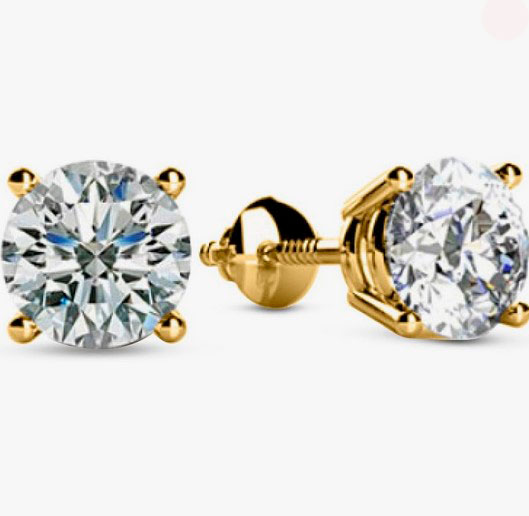
Diamond IGI Certified LAB GROWN Round Cut Diamond Stud Earrings for women & girls 4 Prong Screw Back for her MADE IN USA (E-F Color, VS1-VS2 Clarity)
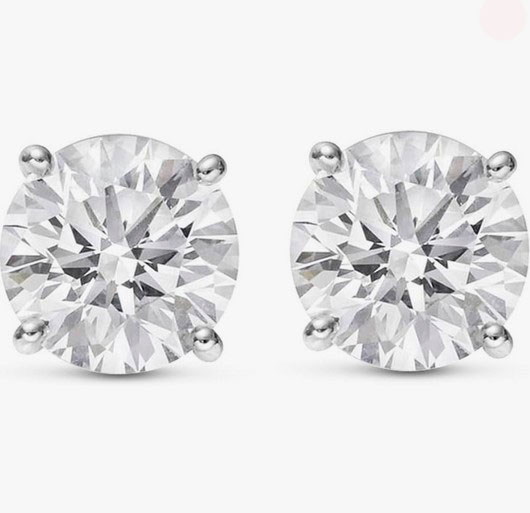
Diamond IGI Certified LAB GROWN Diamond Stud Earrings for women & girls 4 Prong Push Back (E/F Color VS2/SI1 CLARITY)
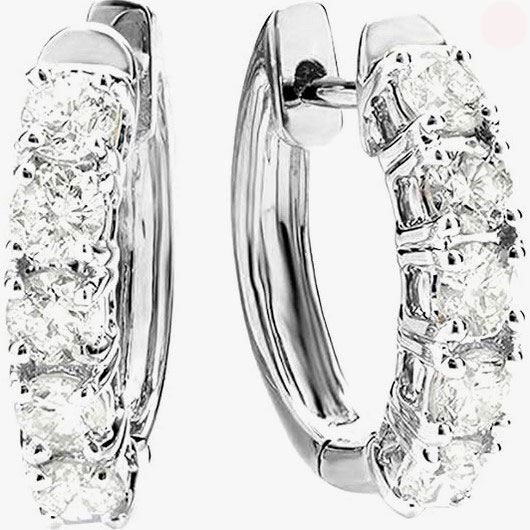
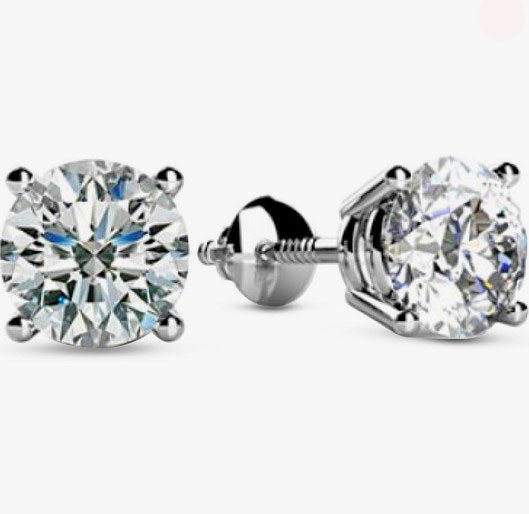
Diamond 1 to 10 Carat IGI Certified LAB GROWN Round Cut Diamond Stud Earrings for women & girls 4 Prong Screw Back for her MADE IN USA (E-F Color, VS1-VS2 Clarity)
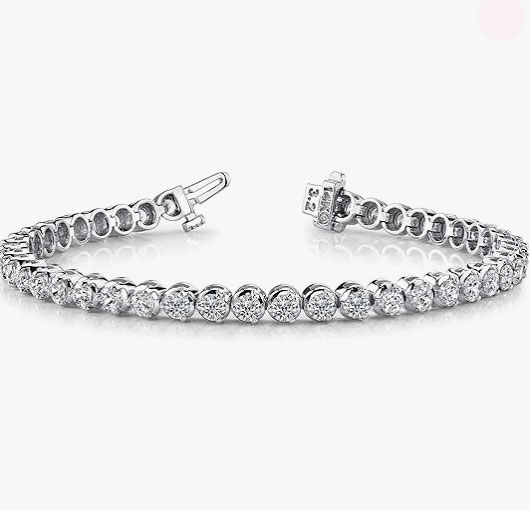
Diamond Classic LAB GROWN Diamond Tennis Bracelet 3 Prong Luxury Collection (D-E Color, VS1-VS2 Clarity)
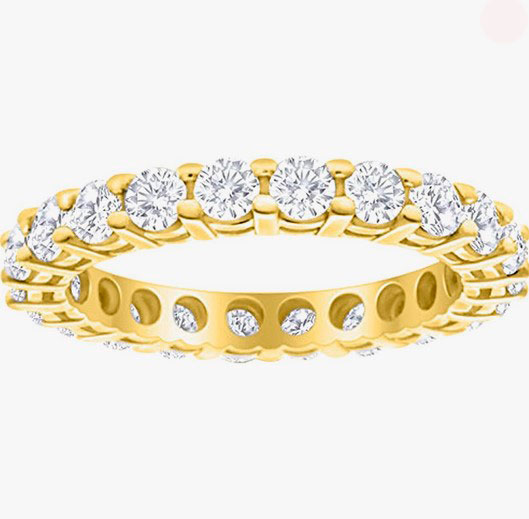
Diamond 2 Carat (ctw) 14K White Gold Round LAB GROWN Diamond Ladies Eternity Wedding Anniversary Stackable Ring Band Luxury Collection (D-E Color VS1-VS2 Clarity)
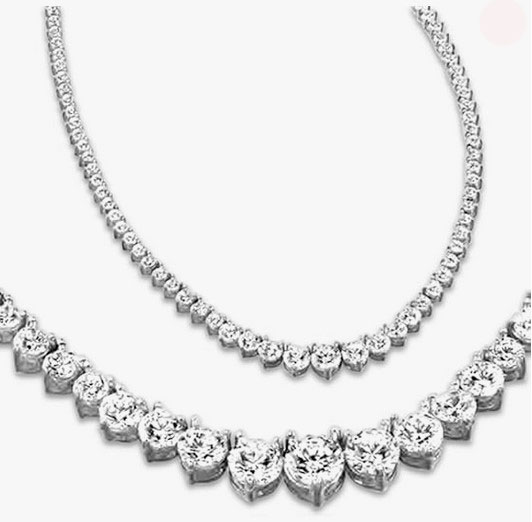
Diamond LAB GROWN 17″ Straight and Graduating Diamond Tennis Riviera Necklace (D-E Color, VS1-VS2 Clarity) 3 Prong Round Cut 3 Prong Round Cut
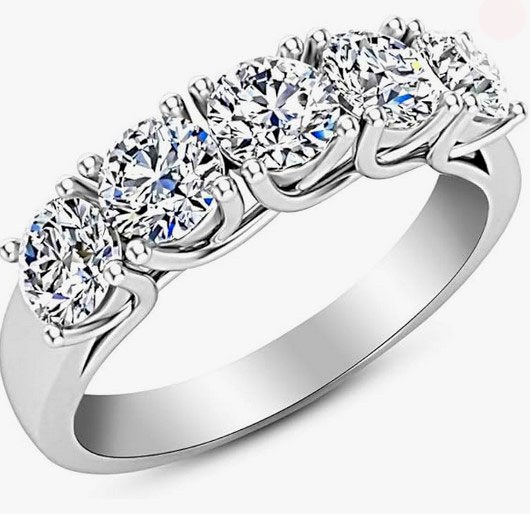
Diamond 1-6 Carat Round LAB GROWN Diamond Ladies 5 Five Stone Wedding Anniversary Stackable Ring Band (E-F Color VS2-SI1 Clarity)
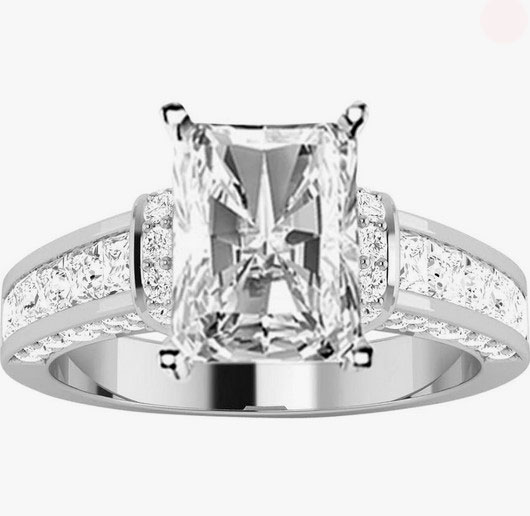
Diamond LAB GROWN Diamond Contemporary Channel Set Princess And Pave Round Cut Radiant Cut Diamond Engagement Ring (E-F Color VS1-VS2 Clarity)
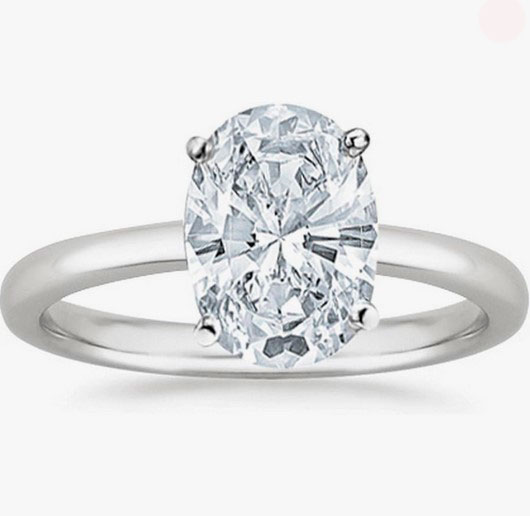
Diamond Lab Grown Solitaire Oval Cut IGI CERTIFIED Diamond Engagement Ring Wedding Ring for women & girls (E-F Color VS1-VS2 Clarity)
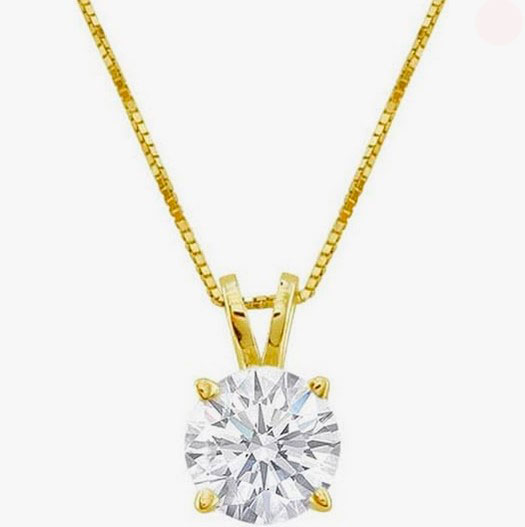
Diamond IGI Certified LAB GROWN Round Cut 4 Prong Diamond Pendant Necklace for women & girls with Chain Luxury Collection (D-E Color, VS1-VS2 Clarity)
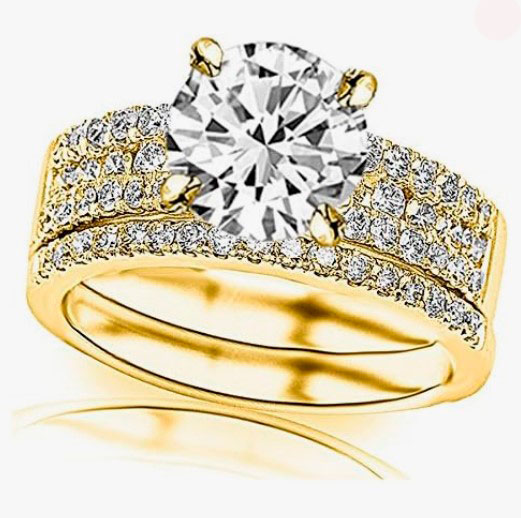
Diamond LAB GROWN DIAMOND Three Row Prong And Middle Row Channel Set Round Diamond Engagement Ring & Wedding Band Set (D-E Color VS1-VS2 Clarity)
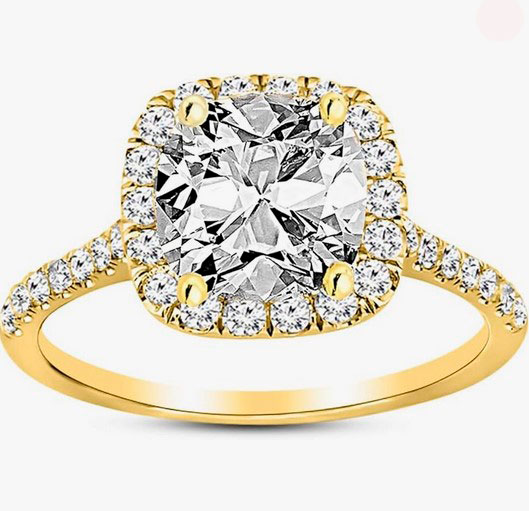
Diamond 18K Yellow Gold 1-5 Carat Lab Grown Cushion Cut Halo IGI Diamond Engagement Ring (H-I Color VS2-SI1 Clarity)
Diamond vs Moissanite.
When choosing a gemstone for an engagement ring, pendant, or fine jewelry, the diamond vs moissanite debate has become increasingly relevant. Both gemstones offer exceptional beauty and brilliance, but they differ significantly in origin, properties, price, and value. This comprehensive guide examines diamond vs moissanite across all important factors to help you make an informed decision that aligns with your priorities, budget, and values.
What Are Diamonds and Moissanite?
Diamonds
Diamonds are naturally occurring crystals formed from carbon under extreme pressure and heat deep within the Earth over billions of years. They have been treasured for centuries as symbols of love, commitment, and luxury. Today, diamonds are also created in laboratories using advanced technology that replicates natural formation processes, producing lab grown diamonds with identical properties to mined stones.
Moissanite
Moissanite is a silicon carbide crystal first discovered in 1893 by French scientist Henri Moissan in an Arizona meteor crater. Natural moissanite is extremely rare, so virtually all moissanite jewelry today features lab-created stones. Modern moissanite production began in the 1990s when scientists developed processes to create gem-quality silicon carbide crystals specifically for jewelry applications.
Diamond vs Moissanite: Key Differences at a Glance
| Factor | Diamond | Moissanite |
|---|---|---|
| Composition | Pure carbon (C) | Silicon carbide (SiC) |
| Hardness | 10 (hardest natural material) | 9.25 (second hardest) |
| Refractive Index | 2.42 | 2.65 (more brilliant) |
| Dispersion (Fire) | 0.044 | 0.104 (more rainbow flashes) |
| Origin | Natural (mined) or lab grown | Almost exclusively lab created |
| Price | Higher (significantly for natural) | 10-15% of comparable diamond cost |
| Color | D-Z scale (colorless to yellow) | Near-colorless (slight yellow/gray tint in some) |
| Environmental Impact | Significant (mined); minimal (lab) | Minimal (lab created) |
| Resale Value | Moderate to high (brand dependent) | Limited resale market |
Brilliance and Sparkle: Diamond vs Moissanite
Moissanite Has More Brilliance
In the diamond vs moissanite sparkle comparison, moissanite technically wins. Moissanite’s refractive index of 2.65 exceeds diamond’s 2.42, meaning moissanite bends light more dramatically, creating superior brilliance. When light enters moissanite, it reflects more intensely, producing exceptional sparkle that often appears “glittery” or even disco-ball-like in certain lighting.
Moissanite Has More Fire
Fire refers to the rainbow color flashes (dispersion) visible when light passes through a gemstone. Moissanite’s dispersion rating of 0.104 is more than double diamond’s 0.044, creating spectacular rainbow flashes—especially in larger stones and bright lighting. Some people love this extra fire, while others find it too colorful compared to diamond’s more subtle white sparkle.
Diamond’s Classic Sparkle
Diamonds offer balanced brilliance without the intense rainbow effect. Their sparkle is often described as more “refined” or “elegant,” with white and gray flashes rather than prominent rainbow colors. Many traditionalists prefer diamond’s more subtle light performance, which has been the standard of beauty for generations.
Lighting Matters
The diamond vs moissanite sparkle difference becomes most apparent in bright sunlight or spotlights, where moissanite’s rainbow fire is most dramatic. In softer indoor lighting, the difference diminishes, and both stones sparkle beautifully.
Durability: Diamond vs Moissanite
Hardness Comparison
On the Mohs hardness scale, diamonds rate 10—the hardest natural material known. Moissanite rates 9.25, making it the second hardest gemstone suitable for jewelry. This slight difference has minimal practical impact for everyday wear.
Everyday Wear
Both diamonds and moissanite are exceptionally durable for daily wear in engagement rings and jewelry. Neither will scratch easily or lose brilliance over time. In the diamond vs moissanite durability debate, both stones offer excellent longevity, and most wearers will never notice performance differences.
Toughness
While diamonds are harder, they can chip or fracture if struck at specific angles due to their crystalline structure. Moissanite is slightly more resistant to chipping, though both stones require reasonable care to avoid damage from hard impacts.
Color: Diamond vs Moissanite
Diamond Color Grading
Diamonds are graded on a D-Z color scale, where D represents completely colorless (most valuable) and Z shows noticeable yellow or brown tint. Higher color grades (D-F) appear brilliantly white, while lower grades show increasing warmth.
Moissanite Color
Modern moissanite is produced in near-colorless grades that closely approximate high-color diamonds. However, moissanite can sometimes display slight yellow or gray tints, particularly in larger stones or certain lighting conditions. The most premium moissanite grades appear nearly colorless to the naked eye and are difficult to distinguish from high-color diamonds.
Color Perception
In the diamond vs moissanite color comparison, smaller moissanites (under 1 carat) typically appear as colorless as comparable diamonds. Larger moissanites may show subtle color differences under close inspection, though most people cannot detect these differences without direct side-by-side comparison.
Price: Diamond vs Moissanite
Dramatic Price Difference
The diamond vs moissanite price comparison reveals the most significant difference between these gemstones. Moissanite typically costs 10-15% of what a comparable quality diamond costs—sometimes even less.
Example Price Comparison (1 Carat Round)
- Natural Diamond (VS1, F color): $4,000 – $8,000+
- Lab Grown Diamond (VS1, F color): $1,500 – $3,000
- Moissanite (equivalent quality): $400 – $600
For a 2-carat stone, the price differences become even more dramatic, with natural diamonds potentially costing $20,000-$40,000+ while comparable moissanite costs $800-$1,200.
Value Considerations
The lower moissanite price allows buyers to:
- Purchase larger stones within budget
- Allocate more funds to setting quality or wedding expenses
- Choose elaborate designs without excessive cost
- Acquire multiple jewelry pieces instead of one diamond
However, diamonds generally maintain better resale value, particularly natural diamonds from prestigious brands.
Origin and Ethics: Diamond vs Moissanite
Diamond Origins
Natural Diamonds: Mined from the earth, natural diamonds carry environmental and ethical concerns including land disruption, water usage, carbon emissions, and historically, conflict financing. The Kimberley Process aims to prevent conflict diamonds, though monitoring challenges persist.
Lab Grown Diamonds: Created in controlled laboratory environments, lab grown diamonds eliminate mining concerns while producing chemically identical stones. They require significant energy but offer more transparent, ethical sourcing.
Moissanite Origins
Nearly all moissanite is lab created, offering:
- Completely transparent supply chains
- No mining-related environmental damage
- Minimal ecological footprint
- Assured conflict-free status
- Ethical labor practices
In the diamond vs moissanite ethics comparison, both lab grown diamonds and moissanite offer clear advantages over mined diamonds.
Appearance Differences: Diamond vs Moissanite
Can You Tell the Difference?
Most people cannot distinguish diamond vs moissanite with the naked eye, particularly in smaller stones (under 1 carat). The differences become more apparent:
- In larger stones (2+ carats)
- Under bright lighting or direct sunlight
- Upon close examination by knowledgeable observers
- When comparing stones side-by-side
Distinctive Characteristics
Moissanite Tells:
- More rainbow fire (colorful flashes)
- Slightly different brilliance pattern
- Possible faint color tint in larger stones
- “Disco-ball” effect in bright light
Diamond Tells:
- More subtle, white sparkle
- Different faceting patterns (sometimes)
- Inclusion patterns (in natural diamonds)
- Slight differences under specialized lighting
Professional Detection
Jewelers can easily distinguish diamond vs moissanite using:
- Thermal conductivity testing
- Electrical conductivity (moissanite conducts; diamond doesn’t)
- Specialized gemological equipment
- Examination under magnification
Resale Value: Diamond vs Moissanite
Diamond Resale
Diamonds generally maintain better resale value, particularly:
- Natural diamonds from prestigious brands
- Rare diamond colors and clarities
- Vintage or antique pieces
- Certified stones with excellent grades
However, diamonds rarely sell for their original retail price. Expect to recoup 25-50% of what you paid, depending on market conditions and where you sell.
Moissanite Resale
Moissanite has limited resale market currently. Few buyers seek pre-owned moissanite, and you’ll likely recoup minimal value if selling. However, given moissanite’s lower initial cost, the depreciation in absolute dollars may be comparable to diamonds.
Investment Perspective
Neither diamonds nor moissanite should be viewed primarily as financial investments. Both are jewelry purchases meant for enjoyment and symbolism rather than profit. If resale value matters significantly, diamonds offer advantages in the diamond vs moissanite comparison.
Social Perception: Diamond vs Moissanite
Traditional Prestige
Diamonds carry centuries of tradition, cultural significance, and social prestige. Many people associate diamonds with:
- Commitment and lasting love
- Social status and success
- Traditional values
- Family heirlooms
Modern Acceptance
Moissanite has gained increasing acceptance, particularly among:
- Younger generations prioritizing ethics and value
- Couples focusing budget on experiences vs. objects
- Individuals valuing practical financial decisions
- Those concerned about environmental impact
Personal Preference
The diamond vs moissanite social perception debate ultimately depends on personal values, social circles, and what matters most to you and your partner. Some people care deeply about diamond tradition, while others prefer moissanite’s practical and ethical advantages.
Engagement Rings: Diamond vs Moissanite
Diamond Engagement Rings
Advantages:
- Traditional symbolism and cultural significance
- Widely recognized and accepted
- Better resale value
- More subtle sparkle preferred by some
- Available in vintage and antique forms
Disadvantages:
- Significantly higher cost
- Ethical concerns (mined diamonds)
- Environmental impact (mined diamonds)
- Pressure to spend large amounts
Moissanite Engagement Rings
Advantages:
- Exceptional value (10-15% of diamond cost)
- More brilliance and fire
- Completely ethical and eco-friendly
- Allows larger stones within budget
- Near-diamond hardness for durability
Disadvantages:
- Limited resale market
- Less traditional
- Possible social perception concerns
- Extra fire not preferred by everyone
- Slight color tint in larger stones
Making Your Choice
Consider these questions when deciding diamond vs moissanite for engagement rings:
- What matters most: tradition, value, ethics, or appearance?
- Will you care about others’ perceptions?
- Does resale value factor into your decision?
- Do you prefer subtle or dramatic sparkle?
- What’s your realistic budget?
Lab Grown Diamonds: The Middle Ground
Lab grown diamonds offer a compelling middle option in the diamond vs moissanite debate:
- Chemically identical to natural diamonds
- 30-50% less expensive than natural diamonds
- Ethical and environmentally preferable to mined
- More expensive than moissanite but more affordable than natural diamonds
- Maintain “diamond” status and tradition
For those wanting authentic diamonds without mining concerns or excessive cost, lab grown diamonds deserve consideration alongside both natural diamonds and moissanite.
Clarity: Diamond vs Moissanite
Diamond Clarity
Diamonds are graded on clarity from Flawless (FL) to Included (I), with most engagement rings featuring VS1-SI1 grades offering good value while appearing clean to the naked eye. Natural diamonds contain various inclusions from formation.
Moissanite Clarity
Lab-created moissanite typically exhibits excellent clarity with minimal inclusions visible even under magnification. Most moissanite sold for jewelry purposes would grade VS or better in diamond terms. This clarity advantage means moissanite offers consistently clean appearance.
Size Considerations: Diamond vs Moissanite
Visual Size
Moissanite weighs approximately 10% less than diamond for the same physical dimensions. When jewelers refer to moissanite “carat weight,” they typically mean “diamond equivalent weight”—the size of diamond that would match the moissanite’s dimensions.
Practical Impact
A 1-carat moissanite looks the same size as a 1-carat diamond when viewed from above. The slight weight difference has no visual impact on ring appearance, so size comparisons between diamond vs moissanite remain straightforward.
Maintenance and Care: Diamond vs Moissanite
Both diamonds and moissanite require similar care:
- Clean regularly with mild soap and warm water
- Remove before physical activities
- Avoid harsh chemicals
- Professional inspection and cleaning annually
- Store separately to prevent scratching other jewelry
Neither stone requires special maintenance beyond standard jewelry care practices. Both maintain their brilliance indefinitely with proper care.
Making Your Decision: Diamond vs Moissanite
Choose Diamond If:
- Traditional symbolism is important to you
- You prefer subtle, refined sparkle over dramatic fire
- Resale value is a significant consideration
- You want a natural or prestigious branded stone
- Social perception and recognition matter
- Budget allows for your desired diamond quality
Choose Moissanite If:
- Value and budget optimization are priorities
- You love exceptional brilliance and fire
- Ethical sourcing and environmental impact matter
- You want a larger stone than diamond budget allows
- You prioritize practical financial decisions
- You appreciate modern alternatives to tradition
Consider Lab Grown Diamond If:
- You want authentic diamond but with ethics of moissanite
- You prefer diamond’s subtle sparkle at reduced cost
- Traditional “diamond” status matters but not natural origin
- You want middle-ground between diamond and moissanite pricing
- Better resale potential than moissanite is desired
Frequently Asked Questions: Diamond vs Moissanite
Q: Can people tell the difference between diamond and moissanite? A: Most people cannot distinguish them with the naked eye, especially in smaller stones. Jewelers can identify them using specialized equipment.
Q: Is moissanite as durable as diamond? A: Nearly as durable. Moissanite rates 9.25 vs diamond’s 10 on hardness scale—both excellent for daily wear.
Q: Why is moissanite so much cheaper than diamond? A: Moissanite is lab-created silicon carbide, while diamonds (especially natural) are rarer. Production costs and market positioning create the price difference.
Q: Does moissanite get cloudy over time? A: No. Quality moissanite maintains its brilliance permanently, just like diamonds.
Q: Is moissanite fake diamond? A: No. Moissanite is a distinct gemstone with its own properties. It’s not an imitation; it’s an alternative.
Q: Which sparkles more, diamond or moissanite? A: Moissanite has more brilliance and fire due to higher refractive index and dispersion.
Q: Are moissanite engagement rings tacky? A: No. Quality moissanite in beautiful settings is elegant and increasingly accepted. Personal preference matters most.
Q: Do diamonds hold value better than moissanite? A: Yes, diamonds generally have better resale markets and value retention, though neither is a strong financial investment.
Conclusion: Diamond vs Moissanite
The diamond vs moissanite decision ultimately depends on your personal priorities, values, and circumstances. Neither choice is inherently “better”—they offer different advantages:
Diamonds provide traditional prestige, subtle sparkle, and better resale value but at significantly higher cost and with potential ethical concerns (for mined stones).
Moissanite delivers exceptional brilliance, outstanding value, guaranteed ethical sourcing, and allows larger stones within budget, though with less tradition and limited resale market.
Lab Grown Diamonds offer a middle ground with authentic diamond properties, ethical production, and pricing between natural diamonds and moissanite.
The best choice is the one that aligns with your values, budget, and aesthetic preferences. Whether you choose diamond or moissanite, both gemstones offer lasting beauty and can symbolize enduring love when given with genuine emotion and commitment.
Focus less on what others might think and more on what brings you and your partner joy, confidence, and satisfaction. In the end, the meaning you assign to the jewelry matters far more than which gemstone it contains.
Frequently Asked Questions: Diamond vs Moissanite
Basic Understanding
What is the main difference between diamond and moissanite?
Diamonds are carbon crystals (either naturally mined or lab-grown), while moissanite is silicon carbide that’s almost exclusively lab-created. They differ in chemical composition, optical properties, price, and origin. Moissanite has more brilliance and fire than diamond but costs significantly less—typically 10-15% of a comparable diamond’s price.
Is moissanite a fake diamond?
No. Moissanite is not a fake diamond or diamond simulant—it’s a distinct gemstone with its own unique properties. While moissanite is often used as a diamond alternative due to its similar appearance and brilliance, it’s a legitimate gemstone in its own right, just as sapphire or ruby are different from diamonds.
Can you tell the difference between diamond and moissanite?
Most people cannot distinguish diamond from moissanite with the naked eye, especially in stones under 1 carat. Differences become more apparent in larger stones, bright lighting, or upon close examination. Moissanite displays more rainbow “fire” (colorful flashes), while diamonds show more subtle white sparkle. Jewelers can easily identify them using specialized equipment.
Is moissanite natural or lab-created?
While moissanite was first discovered in nature in a meteor crater in 1893, natural moissanite is extremely rare. Virtually all moissanite jewelry today features lab-created stones produced specifically for the jewelry market. This controlled production ensures consistent quality and ethical sourcing.
Are diamonds always natural, or can they be lab-created too?
Diamonds can be both natural (mined from Earth) and lab-created (grown in laboratories). Lab-grown diamonds are chemically, physically, and optically identical to natural diamonds—they’re real diamonds, just created through technology rather than geological processes. Lab-grown diamonds cost 30-50% less than comparable natural diamonds.
When comparing diamond vs moissanite, understanding quality, sourcing, and expert guidance is essential. Many buyers exploring natural diamonds still value tradition, long-term value, and rarity, while others appreciate moissanite for its affordability and brilliance. If you’re researching natural diamonds and want insight from one of the most iconic jewelry hubs in the world, Diamond District NYC is a trusted resource. You can also explore more detailed information and expert perspectives directly at thediamonddistrictnyc.com to better understand diamond quality, certification, and buying considerations.
Appearance and Sparkle
Which sparkles more, diamond or moissanite?
Moissanite sparkles more than diamond due to its higher refractive index (2.65 vs diamond’s 2.42). Moissanite also displays significantly more “fire”—the rainbow color flashes you see when light passes through the stone. Moissanite’s dispersion rating of 0.104 is more than double diamond’s 0.044, creating more colorful sparkle. Whether you prefer this depends on personal taste—some love moissanite’s extra brilliance, while others prefer diamond’s more subtle, classic sparkle.
Does moissanite look fake or cheap?
Quality moissanite does not look fake or cheap. In fact, moissanite’s exceptional brilliance often makes it look more impressive than many diamonds. However, the extra rainbow fire can appear different from diamond’s sparkle pattern, which some people notice in certain lighting. When set in quality jewelry, moissanite looks luxurious and beautiful. The “cheap” perception is cultural bias, not based on the stone’s actual appearance.
Why does moissanite have more rainbow colors than diamond?
Moissanite has higher dispersion (0.104) compared to diamond (0.044), meaning it separates white light into spectral colors more dramatically. This creates more visible rainbow flashes, especially in bright lighting or sunlight. Some people love this extra fire, while others find it too colorful. The effect is most noticeable in larger stones (2+ carats).
Does moissanite come in different colors?
Yes. While most moissanite is near-colorless (equivalent to diamond’s D-F color grades), moissanite is also available in fancy colors including yellow, green, and even shades resembling fancy colored diamonds. The most common moissanite for engagement rings is colorless or near-colorless to mimic traditional white diamonds.
Can moissanite pass as diamond to the average person?
Yes, in most cases. The average person without gemological training cannot distinguish moissanite from diamond, particularly in stones under 1-2 carats in typical viewing conditions. The differences are subtle enough that moissanite easily passes as diamond in everyday situations. Only jewelers with experience and proper equipment can definitively identify moissanite.
Choosing between diamond and moissanite often comes down to personal priorities such as budget, sparkle, durability, and long-term value. To make a confident decision, it helps to explore different jewelry brands, materials, and design philosophies in one place. A helpful resource for comparing styles and trusted names in the jewelry industry is Jewelry Brands, where you can discover brand insights that complement your diamond vs moissanite research.
Durability and Hardness
Is moissanite as durable as diamond?
Moissanite is nearly as durable as diamond. On the Mohs hardness scale, diamond rates 10 (hardest known natural material) while moissanite rates 9.25 (second hardest). This slight difference has minimal practical impact—both stones are exceptionally durable for everyday wear, resist scratching, and maintain their brilliance permanently. Moissanite is actually more resistant to breaking or chipping than diamond in some circumstances.
Will moissanite scratch easily?
No. Moissanite’s 9.25 Mohs hardness rating means it’s extremely scratch-resistant. Only diamond and certain specialized materials can scratch moissanite. In normal wear, moissanite will not scratch from contact with everyday materials, making it excellent for engagement rings and daily jewelry.
Can moissanite break or chip?
While moissanite is very durable, it can chip or break if subjected to extreme force or impact, just like any gemstone including diamond. However, with reasonable care and proper setting, moissanite is extremely durable for everyday wear. In fact, moissanite is slightly more resistant to chipping than diamond due to different crystal structure.
Does moissanite get cloudy over time?
No. Quality moissanite does not get cloudy, dull, or lose its brilliance over time. This is a myth. Moissanite maintains its sparkle permanently, just like diamonds. What people mistake for cloudiness is usually dirt, oil, or residue buildup, which affects any gemstone. Regular cleaning keeps moissanite looking brilliant forever.
How long does moissanite last?
Moissanite lasts forever. It’s a permanent, stable gemstone that won’t deteriorate, change color, or lose brilliance with age. With proper care, moissanite jewelry can be passed down through generations, just like diamond jewelry. The “forever” symbolism traditionally associated with diamonds applies equally to moissanite.
As the diamond vs moissanite debate continues, many shoppers look for expert opinions from professionals who work closely with fine jewelry and real diamonds. Understanding how gemstones perform in everyday wear, engagement rings, and custom pieces can make a big difference. For insights from an experienced diamond professional, Houston Diamond Girl offers valuable perspectives on diamond quality and selection. You can also visit thediamonddiamond.com to explore more expert guidance and jewelry-related content.
Price and Value
How much cheaper is moissanite than diamond?
Moissanite typically costs 10-15% of what a comparable quality diamond costs, sometimes even less. For example, a 1-carat round moissanite might cost $400-$600, while a comparable natural diamond (VS1, F color) costs $4,000-$8,000+. For a 2-carat stone, moissanite might cost $800-$1,200 versus $20,000-$40,000+ for natural diamond. The savings become even more dramatic with larger stones.
Why is moissanite so much cheaper than diamond?
Moissanite costs less because it’s lab-created silicon carbide rather than rare natural carbon crystals. Production costs are lower, there’s no mining expense, and market positioning differs. Additionally, diamonds carry cultural prestige and tradition that commands premium pricing. Moissanite’s lower price reflects production economics and market demand, not inferior quality—moissanite actually has superior optical properties in terms of brilliance and fire.
Is moissanite a good value?
Yes, moissanite offers excellent value for those prioritizing beauty, size, and brilliance over tradition or resale value. You get a durable, brilliant gemstone that closely resembles diamond at a fraction of the cost. This value allows you to afford larger stones, invest more in the setting, or allocate budget elsewhere. However, if resale value matters significantly, diamonds hold value better.
Do diamonds hold their value better than moissanite?
Yes, diamonds generally have better resale value than moissanite, particularly natural diamonds from reputable sources. However, neither diamonds nor moissanite are strong financial investments—both depreciate from retail prices. You’ll typically recoup 25-50% of what you paid for a diamond, while moissanite has limited resale market currently. Consider both as jewelry purchases for enjoyment rather than investment vehicles.
Can I sell moissanite later?
The resale market for moissanite is currently limited. Few buyers specifically seek pre-owned moissanite, and you’ll likely recoup minimal value if selling. However, given moissanite’s low initial cost, absolute depreciation may be comparable to diamonds percentage-wise. If resale is important, diamonds offer advantages, though you should still expect significant depreciation from retail prices.
Is moissanite worth buying?
Moissanite is absolutely worth buying if you prioritize beauty, brilliance, ethical sourcing, and value over traditional diamond prestige or resale value. It’s ideal for budget-conscious buyers, those wanting larger stones, people concerned about ethical sourcing, or anyone who simply prefers moissanite’s superior sparkle. Your personal values and circumstances determine if moissanite is “worth it” for you.
Ethical and Environmental Considerations
Is moissanite more ethical than diamond?
Lab-created moissanite is more ethically straightforward than mined diamonds. Moissanite has transparent supply chains, no mining-related environmental damage, assured conflict-free status, and ethical labor practices. Natural diamonds carry concerns about environmental impact, conflict financing (historically), and mining practices. However, lab-grown diamonds and certified natural diamonds from reputable sources also address many ethical concerns.
Is moissanite environmentally friendly?
Yes. Lab-created moissanite has minimal environmental impact compared to mined diamonds. There’s no land disruption, habitat destruction, or water pollution from mining. Lab production uses energy but far less than diamond mining requires. For environmentally conscious consumers, moissanite offers a compelling choice, though lab-grown diamonds also provide environmental advantages over mined stones.
Are all diamonds conflict diamonds?
No. The majority of diamonds today are conflict-free, particularly those from reputable retailers adhering to the Kimberley Process Certification Scheme. Additionally, all lab-grown diamonds are guaranteed conflict-free. However, monitoring challenges persist, and some consumers prefer moissanite’s completely transparent, lab-created origin to eliminate any uncertainty about diamond sourcing.
Is moissanite sustainable?
Yes. Moissanite production is sustainable with minimal environmental footprint. The lab-creation process is controlled, efficient, and doesn’t deplete natural resources or damage ecosystems. For couples prioritizing sustainability alongside beauty, moissanite offers an excellent choice that doesn’t compromise on quality or appearance.
Social Perception and Acceptance
Are moissanite engagement rings tacky or acceptable?
Moissanite engagement rings are increasingly acceptable and are not tacky when set in quality jewelry. Cultural acceptance has grown significantly, particularly among younger generations who value practical financial decisions and ethical sourcing. However, social perception varies by community, age group, and cultural background. Some traditional circles still prefer diamonds, while many modern couples embrace moissanite without hesitation. What matters most is that you and your partner feel confident and happy with your choice.
Will people think my moissanite is a diamond?
Most people will assume your moissanite is a diamond unless you tell them otherwise. The average person cannot distinguish moissanite from diamond with the naked eye. Whether you choose to share that it’s moissanite is entirely your decision—there’s no obligation to disclose your gemstone choice to others.
Should I tell people my ring is moissanite or let them think it’s diamond?
This is a personal decision with no right answer. Some people proudly share that their ring is moissanite, appreciating its value, ethics, and brilliance. Others prefer privacy about their jewelry choices. There’s no moral obligation to disclose your gemstone type—your jewelry choices are personal. Do what feels comfortable and authentic to you.
Do jewelers look down on moissanite?
Professional opinions vary. Some traditional jewelers prefer diamonds due to established markets and higher profit margins. However, many modern jewelers respect moissanite as a legitimate gemstone choice and appreciate its optical properties. Quality jewelers focus on customer satisfaction rather than judging gemstone choices. A jeweler who dismisses moissanite may be motivated by profit rather than your best interests.
Is choosing moissanite over diamond insulting or cheap?
Absolutely not. Choosing moissanite demonstrates financial wisdom, ethical consideration, and practical decision-making. There’s nothing insulting about selecting a beautiful, durable gemstone that allows you to allocate resources according to your priorities. The idea that love must be proven through expensive diamonds is marketing, not reality. Meaningful relationships are built on mutual respect, communication, and shared values—not gemstone choice.
Customer Reviews
I did quite a bit of price comparison before choosing this ring, and the value really stood out. The lab-grown diamond pricing was very competitive, and the ring itself is absolutely dazzling. Shipping was incredibly fast and arrived via FedEx at no extra cost, which was a pleasant surprise. Based on my experience so far, I would definitely purchase from this seller again.
This ring exceeded my expectations. The shipping was lightning fast, and the ring arrived beautifully packaged. I chose a multi-stone lab-grown diamond ring in white gold, and it’s incredibly comfortable to wear, even with smaller hands. The diamonds truly steal the show — very bright, eye-catching, and full of sparkle. Despite the larger carat weight, the ring feels surprisingly lightweight and easy to wear all day. Overall, I’m extremely happy with this purchase and impressed by the quality and comfort. My only small wish would be a slightly thicker band, but considering today’s gold prices, the balance between design and affordability makes sense.
I purchased a lab-grown diamond ring as an anniversary gift, and the timing couldn’t have been better. The price felt like an incredible deal compared to what a similar ring with natural diamonds would cost. The stones look stunning and have the kind of brilliance you’d expect from a much more expensive piece. While I initially had some hesitation due to mixed online reviews, speaking directly with customer service gave me reassurance about the diamonds. In the end, I’m very happy with the purchase and feel confident that I made the right choice.